In our latest webinar, we explored an emerging topic that is reshaping both environmental science and sustainable agriculture: bioacoustics (with its tool, Passive Acoustic Monitoring – PAM). This innovative approach is becoming a vital tool for biodiversity monitoring and environmental impact assessments, especially in the context of regenerative agriculture and ecological stewardship.
Let’s look at how sound-based technology is helping us understand nature in new ways, and what it means for the future of precision agriculture and sustainability reporting.
1. Listening to the Land: The Rise of Bioacoustics
As Clive Davis (of Wildlife Sound Recording Society) shared during the webinar, the journey of wildlife sound recording has evolved significantly. What once required reel-to-reel tapes and hours of manual listening is now supported by compact, battery-powered devices that record natural soundscapes without interfering with wildlife.
By “listening” to ecosystems, bioacoustics generates a continuous stream of ecological data. This method is especially useful for detecting subtle shifts in species presence and behavior that might go unnoticed with traditional monitoring techniques.
2. AI Takes the Lead in Biodiversity Data
With the help of artificial intelligence, the process of analyzing audio recordings has become far more efficient. Today’s systems can automatically detect and classify species by sound, identify trends, and flag unusual patterns in biodiversity.
Clive highlighted how this technological leap has drastically reduced the time and effort required to process data while increasing accuracy. It marks a significant advancement in how sustainable agriculture practices can be supported with real-time, data-driven tools.
3. Meet Chirrup.ai: A New Chapter in Eco Monitoring
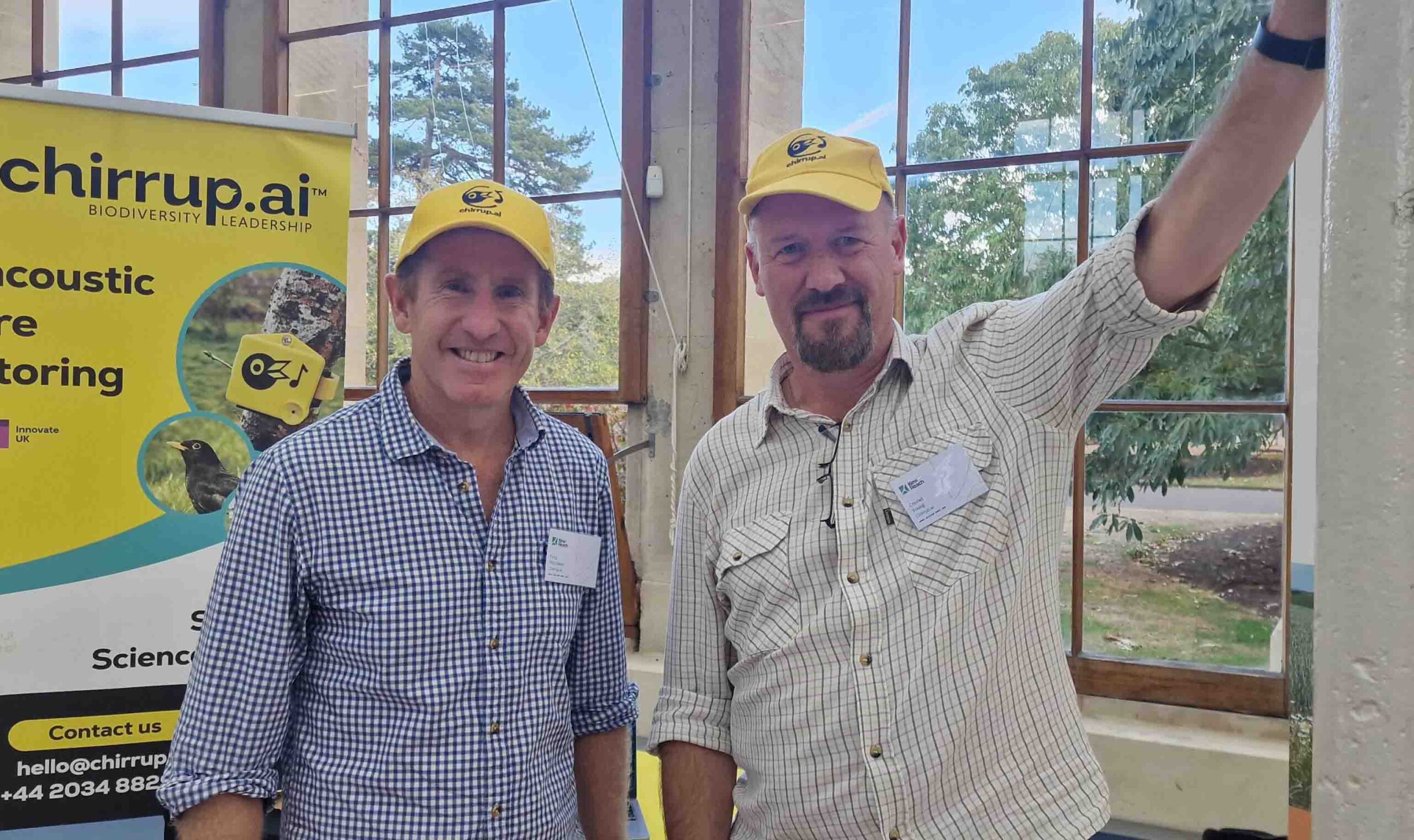
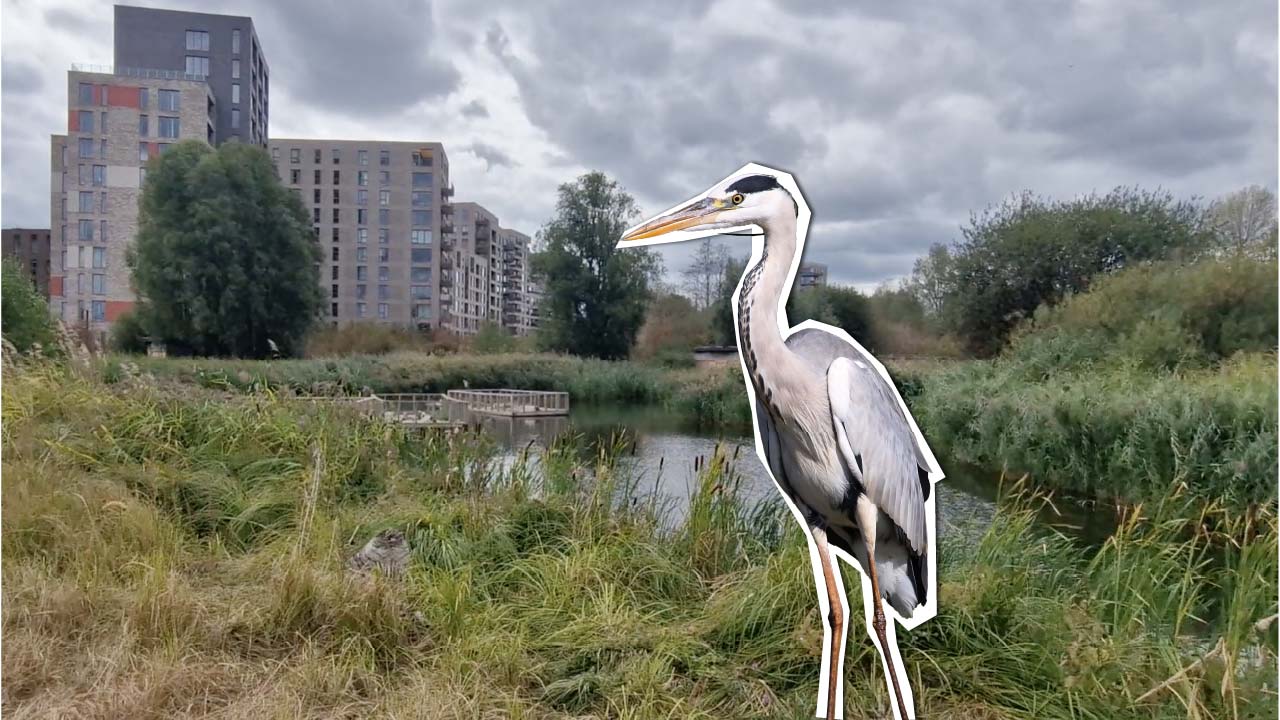
As explained by Conrad Young, Chirrup.ai builds on decades of academic research to bring AI-powered monitoring tools into real-world use. Our platform focuses on UK and mainland Europe bird species, which serve as strong ecological indicators of environmental health.
By capturing and analyzing bird sound data from farms, Chirrup.ai provides actionable insights for land managers. This form of sustainability reporting reflects the true state of nature on the ground, helping users understand the complex systems that support agriculture.
4. Passive, Non-Invasive, and Powerful
Chirrup.ai’s technology is designed to be as unobtrusive as possible. Our devices operate passively, recording audio without disturbing wildlife or interrupting daily farm activities. The plug-and-play setup means anyone can get started with minimal effort.
This makes our approach especially compatible with regenerative agriculture, where understanding and working with natural systems is key to restoring soil health and increasing biodiversity.
5. From Sound to Strategy: A Farmer’s Perspective
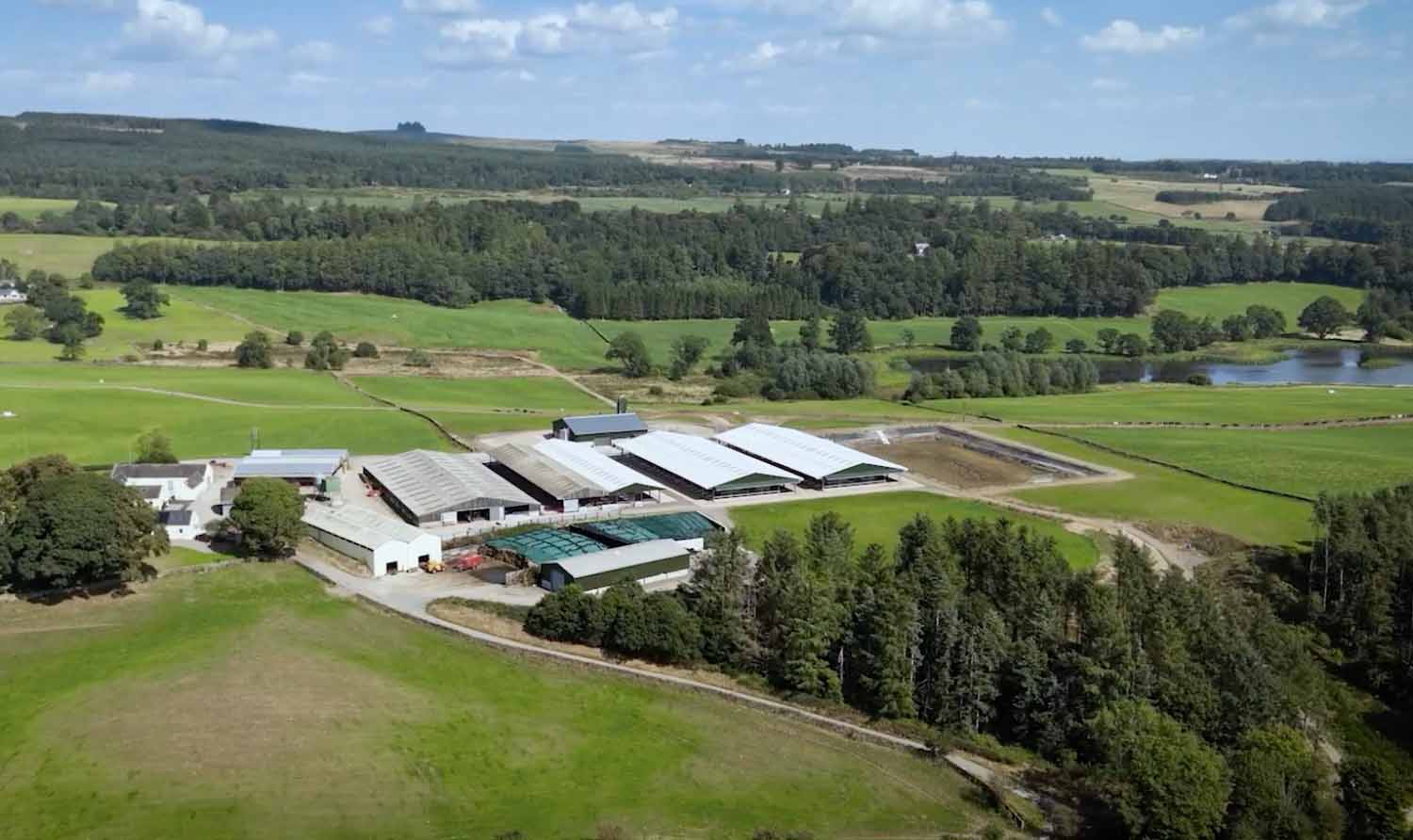
Victoria Buxton from Bairds Malt shared her experiences using Chirrup.ai data to support regenerative farming practices. She applies the insights to make informed decisions about hedgerow enhancement, woodland care, and overall biodiversity support on her land.
These insights are practical and site-specific, helping bridge the gap between sustainability goals and everyday operations.
6. Bridging the Gap Between Data and Action
Victoria also emphasized that the real world often looks different from what is described in agricultural textbooks. Bioacoustic monitoring provides accurate, local data that reflects actual on-the-ground conditions.
This is especially important for effective environmental impact assessments. With Chirrup.ai, farmers and land managers gain a clearer understanding of their ecological impact, enabling more confident and informed decisions.
7. Enabling Ecological Stewardship
By delivering clear, timely insights, Chirrup.ai empowers farmers to act as stewards of biodiversity. Whether tracking bird populations or evaluating the success of sustainable agriculture practices, bioacoustics offers a powerful, science-based tool for change.
Knowledge becomes a guide for action. And in the case of Chirrup.ai, it often begins with the simple sound of birdsong.
Watch the Full Webinar
If you missed the session, you can still catch the replay here:
▶️ Watch on YouTube
… and the original article of our webinar https://chirrup.ai/key-takeaways-from-our-first-webinar/