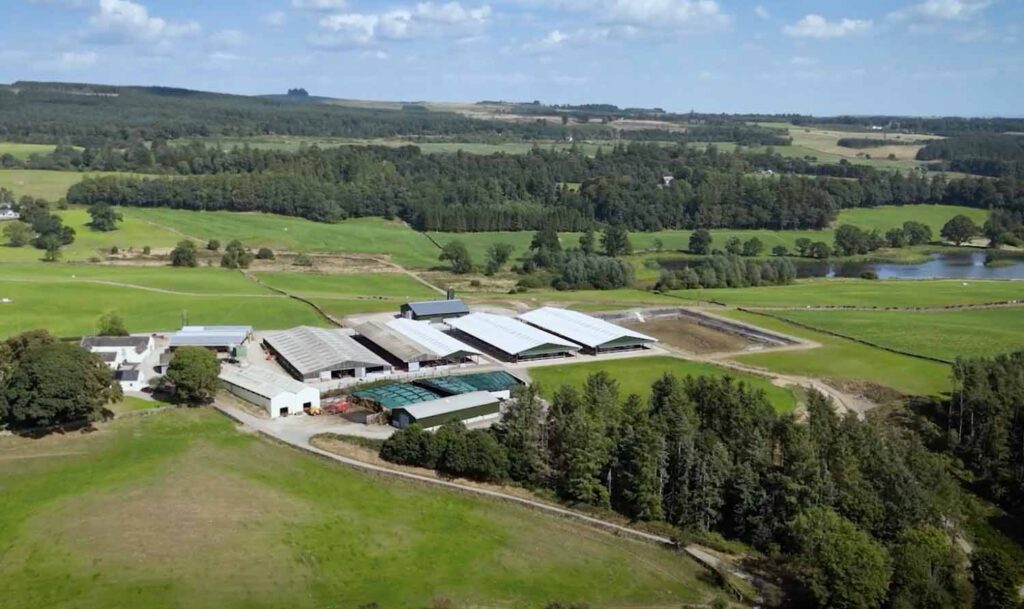
When Peter Landale moved Dalswinton Estate in Dumfries and Galloway from a beef system to dairy, he also wanted to improve the land for biodiversity, and to see that reflected in the milk the farm produces. To find out where the land was already doing well and where it needed more work, he applied for a Digital Dairy Chain Innovation Voucher and set up a project with SRUC and Chirrup.
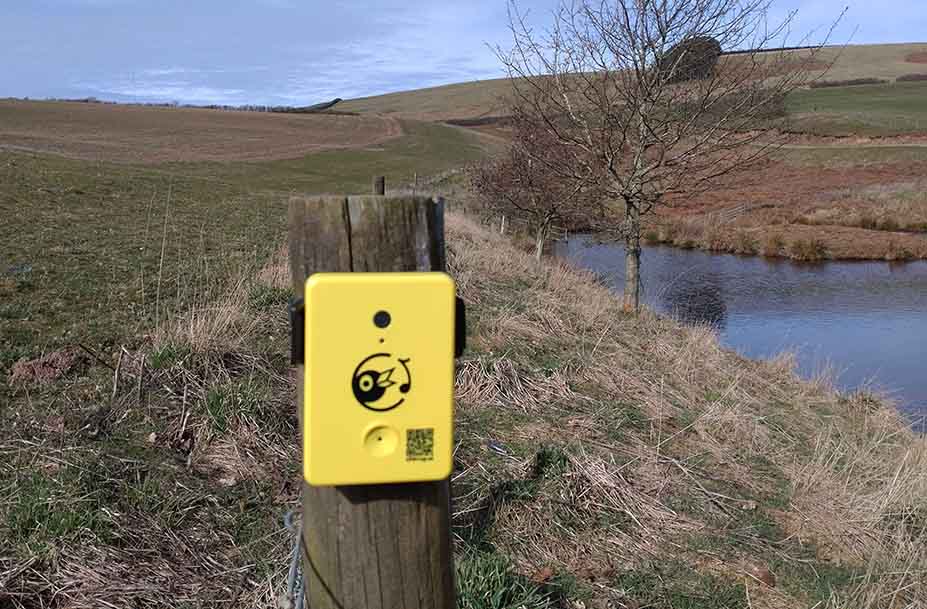
The idea was simple to describe and harder to do: put soil health data next to bird diversity data, and see what the two reveal about each other. Our bioacoustic monitoring recorded the birds, and the soil analysis was set alongside it. Preliminary findings suggest that, on a dairy herd of around 800 cows, the relationship between soil compaction and on-farm biodiversity is not necessarily a negative one. That has useful implications for research at larger estate and multi-farm level, particularly for grazing approaches such as AMP and mob grazing.
The work has also been shortlisted in the Farming with Nature category of the Nature of Scotland Awards 2026, and Peter and his team tell the story far better than we can. Digital Dairy Chain has published a video in which they explain what happened and what comes next for the farm.
Thank you to Peter Landale and the Dalswinton team, to Digital Dairy Chain and SRUC, to Owen Farm Services, and to our colleague Dr Mhairi Cameron for her work on the project. If you want the detail on how the monitoring was set up and what we found, visit the Digital Dairy Chain website or read the Dalswinton Estate case study.