The WEF and IPBES both published major reports on nature risk in the last six weeks. Read together, they tell a consistent story and point to the same missing piece.
What the reports found
- On 14 January, the World Economic Forum‘s 2026 Global Risks Report placed biodiversity loss and ecosystem collapse at #2 in its ten-year risk outlook, behind only extreme weather. Five of the top ten long-term risks are environmental. Over the ten-year horizon, 57% of respondents expect a turbulent or stormy world, the most pessimistic long-term reading the report has produced.
A detail worth noting: environmental risks slipped in the two-year rankings, not because the threat is easing but because geopolitical noise is crowding them out. Biodiversity loss fell five positions in the short-term outlook. The WEF is explicit: this is a shift in attention, not a reduction in exposure. The risks are compounding quietly while other crises occupy the foreground.
- On 9 February, IPBES (the intergovernmental platform of 150+ governments that does for biodiversity what the IPCC does for climate) published its first-ever assessment of how business impacts and depends on nature. Three years in preparation, approved by governments in Manchester. Its central finding is unambiguous: every business depends on biodiversity, and every business impacts it.
The financial picture it paints is stark. In 2023, global finance flows with directly negative impacts on nature totalled $7.3 trillion. Finance directed to conservation and restoration: $220 billion, roughly 3% of the harmful total. And despite the scale of the risk, less than 1% of publicly reporting companies mention their biodiversity impacts in their disclosures.
The barrier is not ambition. It is data: specifically, access to reliable data, reliable models, and reliable scenarios. Those were the three barriers cited most often by financial institutions representing 30% of global market capitalisation.
Why food and drink companies are at the sharp end
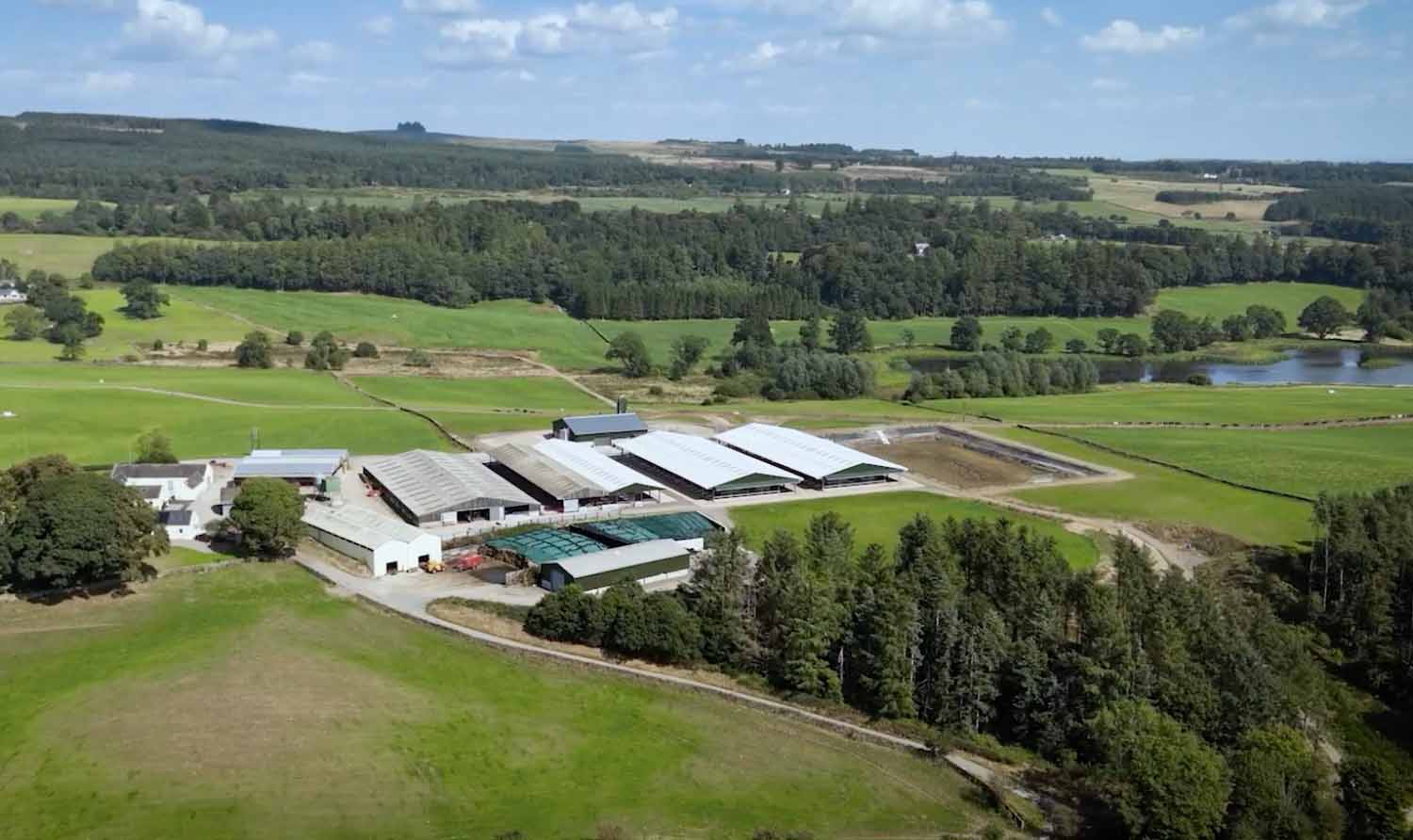
For most sectors, nature risk sits somewhere upstream, in a supply geography or commodity that feels distant. For food and drink, it is the supply chain itself. Agricultural systems depend directly on soil health, water availability, and pollinator populations. When those systems degrade, the effects show up in yield variability, input costs, and sourcing reliability, not eventually but now.
The IPBES report makes a point that procurement teams will recognise: cumulative impacts across businesses can aggregate to global effects, crossing ecological tipping points that become difficult to reverse. Supply chains that have absorbed this quietly for years are finding the margin for error is narrowing.
The specific gap, and what fills it
Both reports converge on the same bottleneck: measurement. The IPBES assessment is precise about what credible monitoring requires: coverage, accuracy, and responsiveness. Chirrup.ai addresses the first two directly — site-level acoustic monitoring across a supplier network, generating verified biodiversity data with the geographic and species coverage that portfolio-level proxies cannot provide.
The soundscape of a functioning farm ecosystem (the density and variety of species vocalising across seasons and times of day) is a reliable, measurable indicator of ecological health. It changes detectably as habitats recover or degrade and can be captured without disturbing the land being measured.
At Chirrup.ai, we deploy this technology across farms in food and drink supply chains. The data we generate feeds into the kind of site-level, verified biodiversity reporting that investor-driven frameworks like TNFD and SBTN are pushing toward, and that mandatory standards like ESRS E4 will eventually require. Not green narrative but evidence.
The commitment is already on the record for most companies in this space. The data is what makes it defensible.
What credible action looks like now
The regulatory direction is set. The scientific consensus, as of this month, is as clear as it has ever been. The frameworks are converging. What is lagging is deployment: the translation of intent into actual measurement programmes on actual farms.
For sustainability teams working through what that looks like in practice (the scope, the methodology, what the data outputs enable for reporting and supply chain management) we are happy to walk through it. The place to start is understanding what a biodiversity baseline across a supplier network actually involves, and what it unlocks.
chirrup.ai
Sources
IPBES (2026). Methodological Assessment Report on the Impact and Dependence of Business on Biodiversity and Nature’s Contributions to People. Published 9 February 2026. https://www.ipbes.net/bba-report/media-release
World Economic Forum (2026). Global Risks Report 2026, 21st Edition. Published 14 January 2026. weforum.org/publications/global-risks-report-2026