Stubbles, cover crops and supplementary feeding are common ways to support biodiversity through winter; but how do you know if they’re delivering results?
With thanks to our ecologist, Murphy Hand, for the research behind this piece.
A fuller picture of biodiversity through winter
Spring and summer breeding-season monitoring remains at the heart of bird monitoring. Birds are at their most vocal, the countryside is busy and the data provides a strong baseline for understanding nature health.
Winter creates an opportunity to add another layer. Chirrup’s upgraded AI now allows us to offer a winter monitoring window using the same simple, passive approach. It can reveal how birds use the land when the seasons change, building on the breeding-season baseline rather than replacing it.
Meet the birds that arrive for winter
As the seasons change, so does the community of birds using the land. Redwings, Fieldfares and Bramblings arrive for the winter. Pink-footed Geese, Barnacle Geese and Whooper Swans return to the places that help them through the colder months. In some areas, resident birds such as Merlin and Short-eared Owl are joined by visitors from Iceland, Scandinavia and Siberia.
For these winter visitors, your land may provide the food, shelter and space they rely on when conditions are at their hardest.
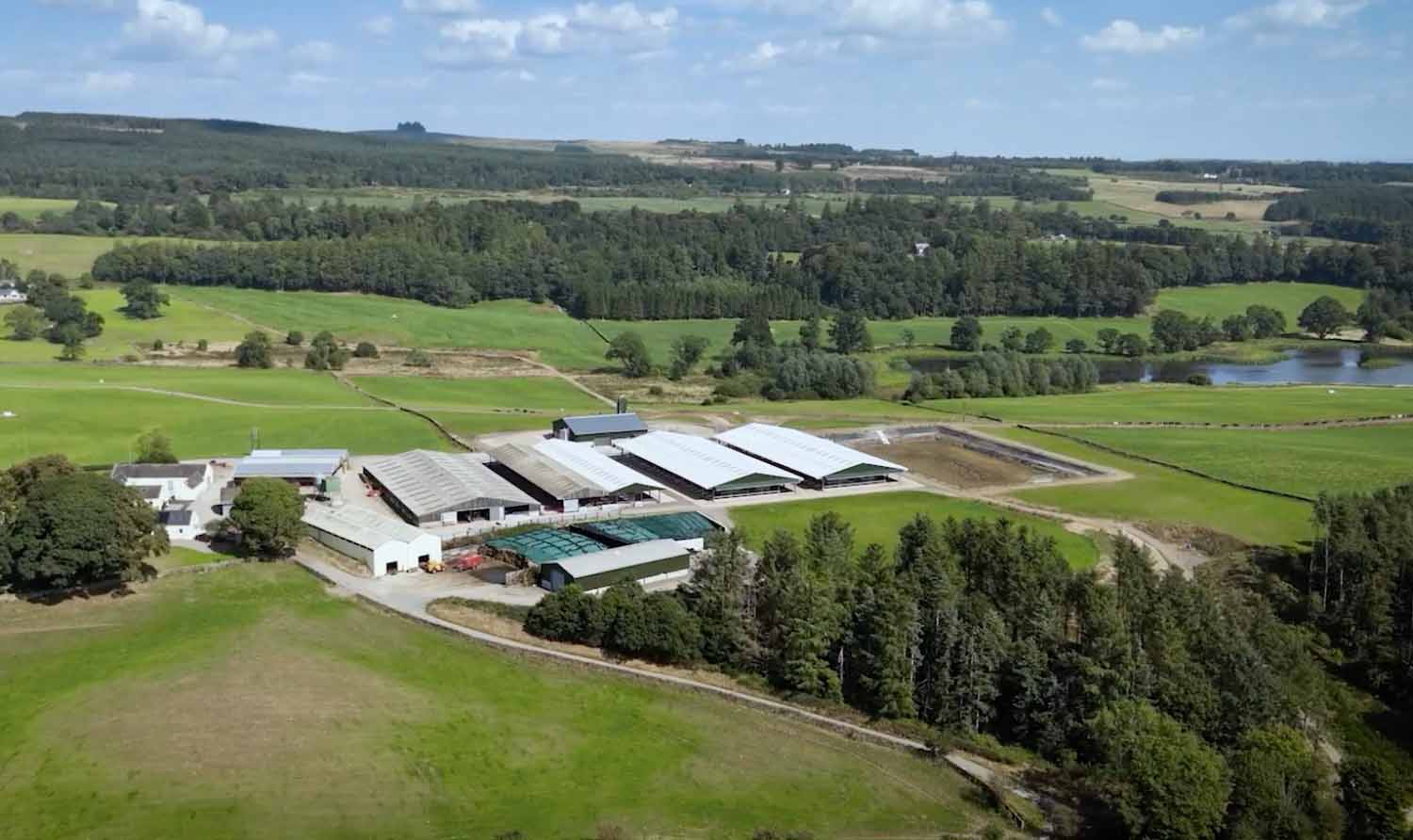
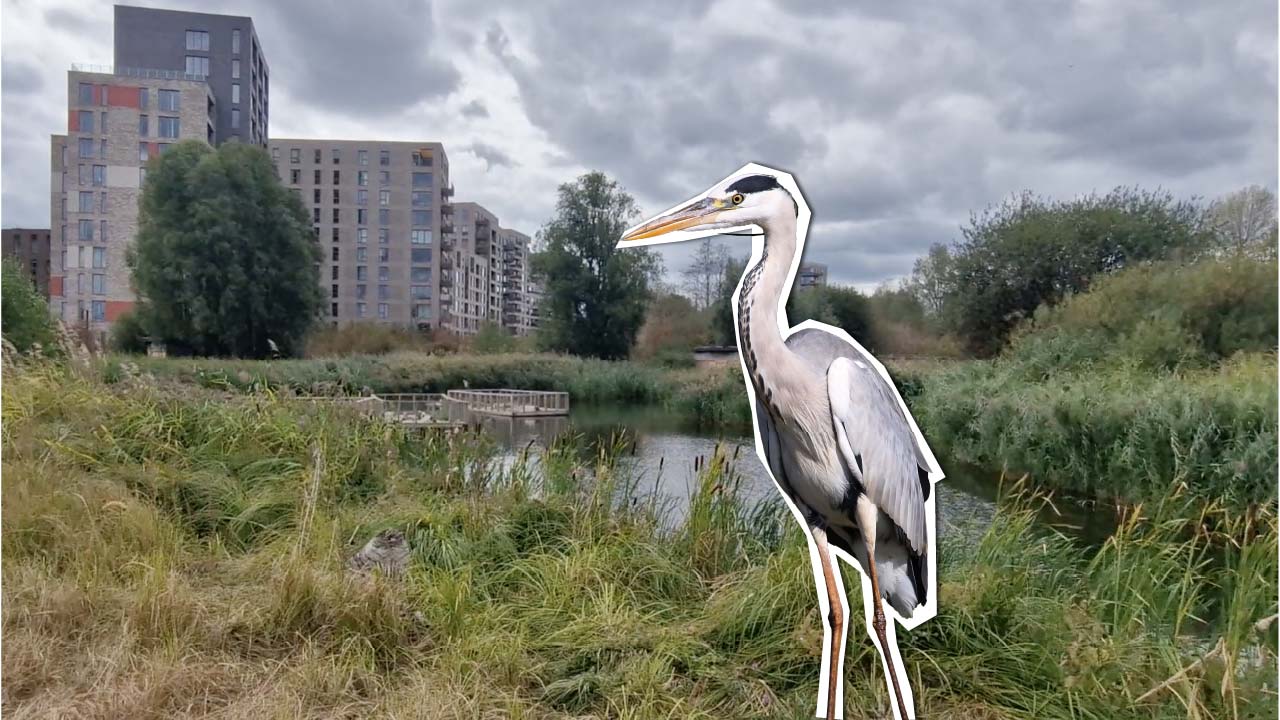
Wetlands, farmland, saltmarsh and moorland can all provide important winter strongholds. These habitats support migratory waterbirds, waders and wildfowl, sometimes in large seasonal gatherings.1 2 3
Adding a winter monitoring window helps reveal which birds are present and how they use different habitats. Alongside spring and summer data, it gives you a broader picture of the land across the year.
See the value of winter land management
Winter data can show how birds respond to practical land management. Overwinter stubbles, cover crops, fallow areas and supplementary feeding can provide valuable seed and shelter for farmland birds such as Yellowhammer, Skylark, Meadow Pipit, Twite, Linnet and Corn Bunting.
Research has linked the winter distribution of seed-eating farmland birds to the availability of suitable food and protective habitat.4 5 If these measures are already part of your land management, monitoring can show which species are responding and where they are being found.
That evidence can inform decisions about what to continue, where to adapt and what to explore next. It can also strengthen the information shared with customers, supply-chain partners and funders by showing what the land appears to support during winter.
Connect winter survival with breeding season results
Winter survival helps determine which birds return to breed. A long-term British study of Reed Buntings found that reduced overwinter survival was probably the main demographic cause of a major population decline. The researchers linked the pattern to reduced food availability outside the breeding season, including the loss of winter stubbles.6
This does not mean every farm or holding needs year-round monitoring. It does show why a winter window can add useful context to spring and summer results, particularly where winter habitat or food provision is an important part of the management plan.
Build a baseline across the seasons
A spring and summer breeding-season baseline gives you a clear view of the busiest part of the bird year. Adding winter monitoring lets you compare two distinct seasons and understand how the community changes between them.
Repeated monitoring can make that picture stronger. Using a consistent method over time helps you compare seasons and years, see patterns in species presence and track how the land responds to management.
Gather winter evidence without extra fieldwork
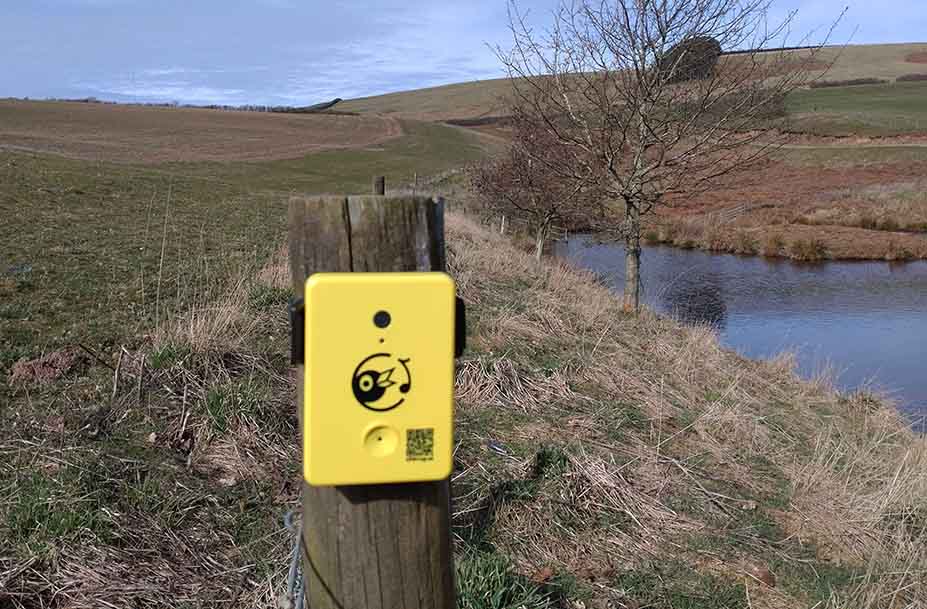
Chirrup.ai makes biodiversity monitoring simple. Our device listens passively during a consistent monitoring period, and our AI identifies the bird species it hears. We turn those detections into clear data and reporting that can be used by farms and land managers.
There is no need to stand in a field conducting manual counts. The device works without disrupting wildlife or day-to-day farm operations.
We continue to recommend March to August as the core window for capturing peak birdsong and building a spring and summer breeding-season baseline. For clients who want to see more of the year, winter monitoring now offers an additional view of the land when the weather changes, food becomes scarcer and seasonal visitors may arrive.
References
2- Why Geese Benefit from the Transition from Natural Vegetation to Agriculture
4- Habitat Preferences of Granivorous Passerine Birds Wintering on Farmland in Eastern Poland