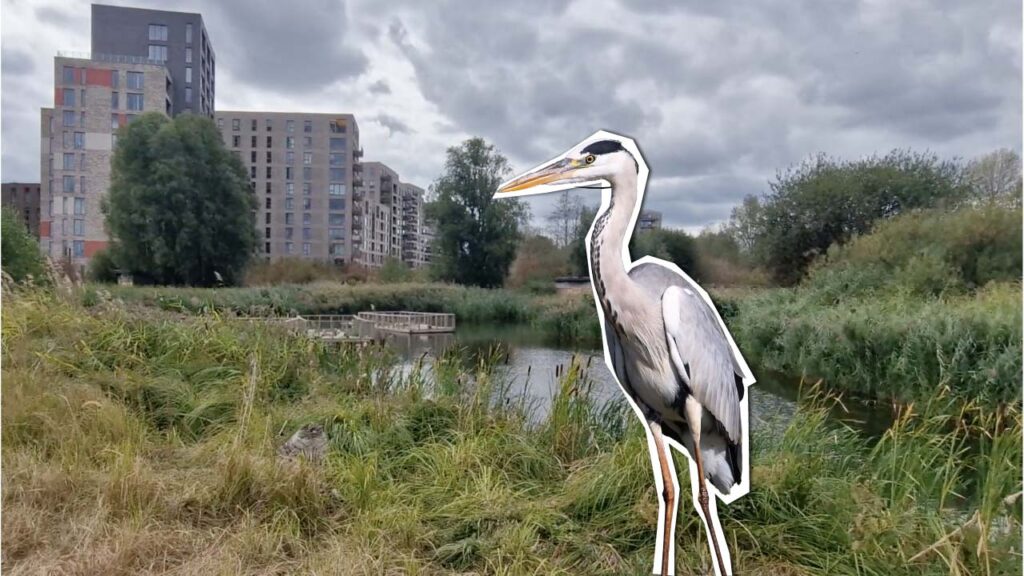
It has been a long, hot summer across Europe. For urban developments and nature parks like Greenwich Peninsula, the ponds, streams and wetlands built into the landscape do a lot of work. They support site resilience, ecological health and the native species that live there, and they are where many winter migrants spend the colder months.
Birds are now arriving from Scandinavia and the Arctic Circle. Winter monitoring shows whether new and established wetlands are still supporting the species you would expect, after a year of heat.
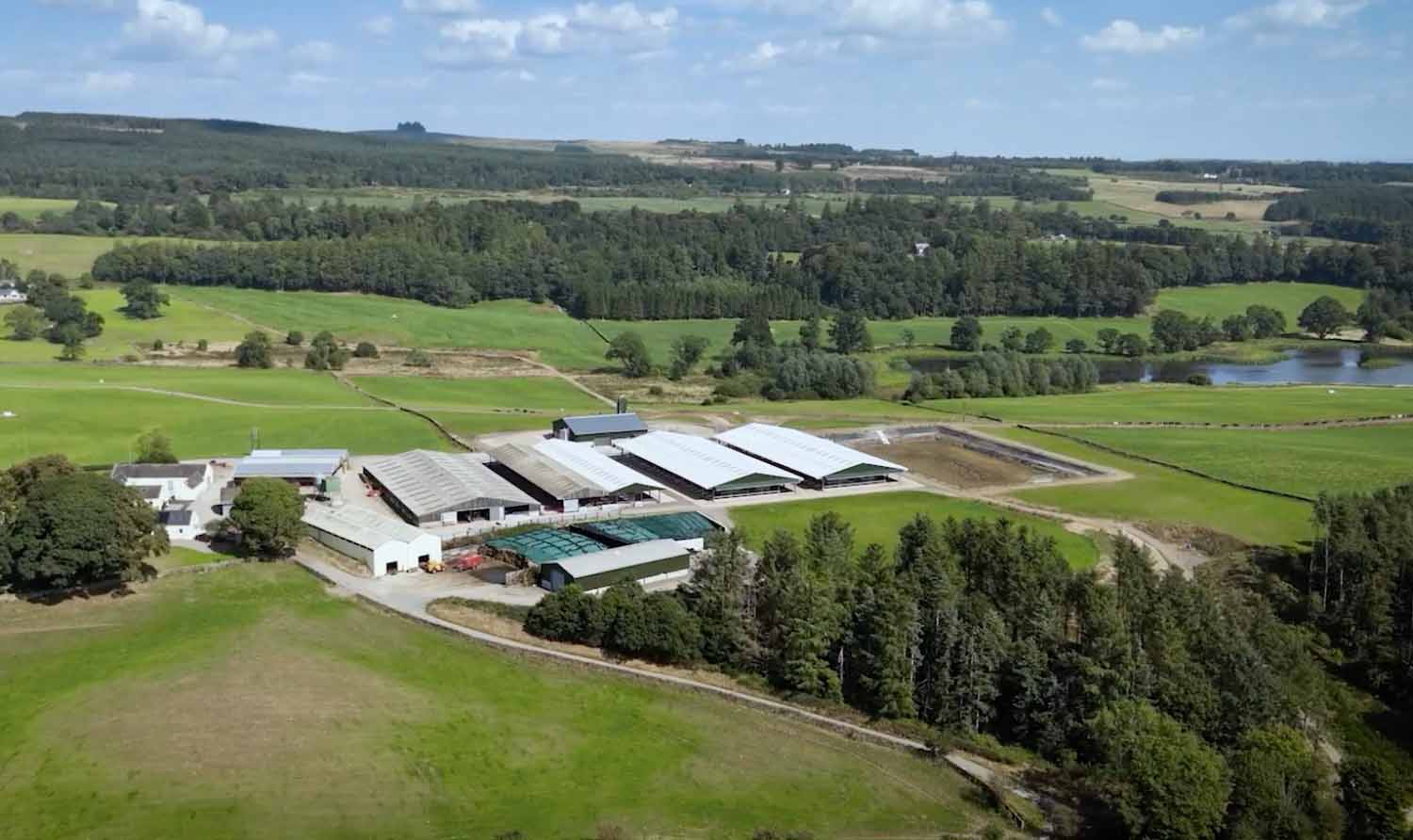
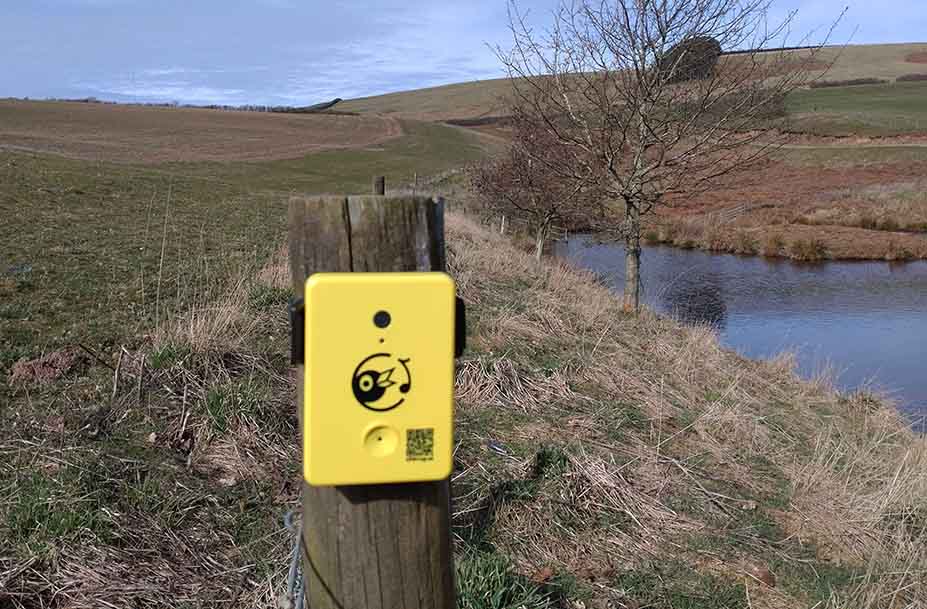
For urban sites, this is how you find out whether designed habitat is delivering. A single winter gives you a snapshot. Several years give you a trend, which matters as summers are likely to keep getting hotter. You can also benchmark against leading sites in the Chirrup network and explore our case studies. The same approach works for farms with ponds, streams and wet features.
Watch our short video from Greenwich Peninsula below, and get in touch if you would like to add a winter monitoring window. You might even start hosting herons.