Exploring how birdsong and AI are reshaping biodiversity monitoring. We call it: “harvesting the chorus of life“.
We were delighted to be featured on BBC Radio 4’s Broadcasting House, where our founder Conrad Young joined presenter Paddy O’Connell to discuss how birdsong can be used as a scientific tool to monitor the health of the land.
At Chirrup.ai, we combine bioacoustic technology with artificial intelligence to identify bird species by sound, turning birdsong into reliable biodiversity data. It’s a new way for farmers, land managers, and sustainability teams to measure ecological change, track recovery, and make informed decisions for nature and climate.
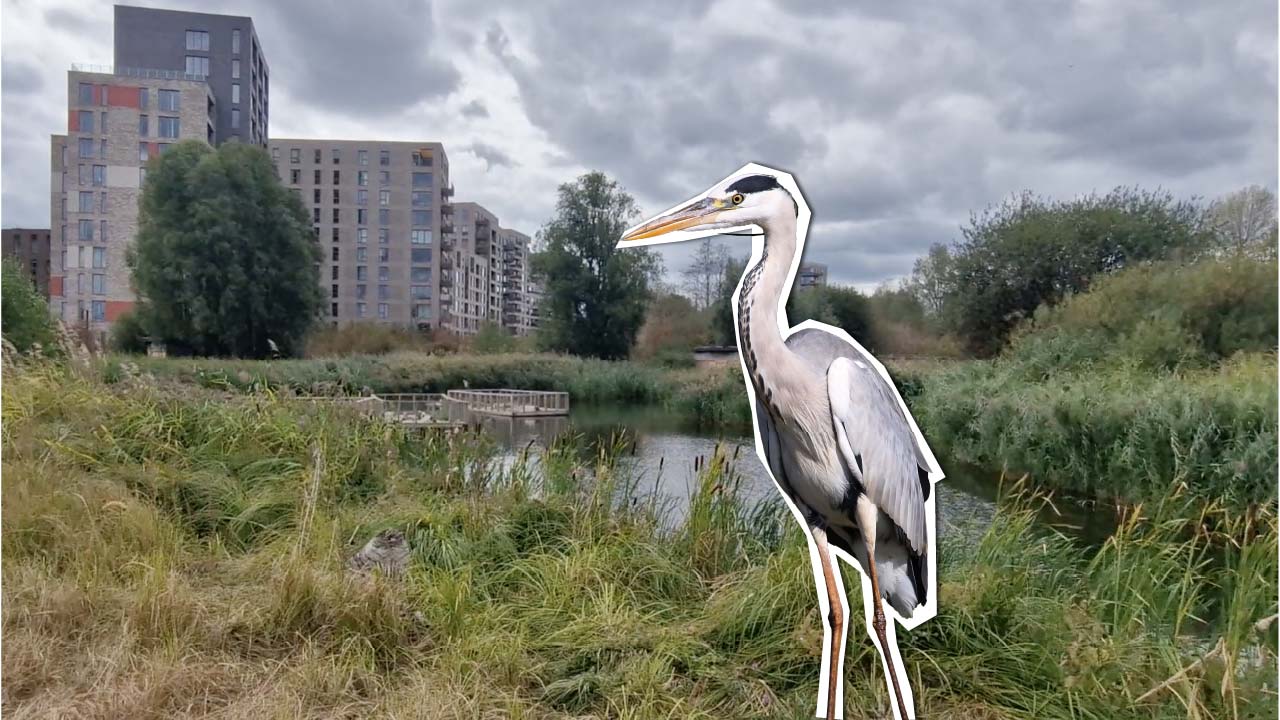
From the yellowhammer (a classic indicator of healthy grassland) to barn owl or red-listed species like the lapwing, each bird tells us something vital about the ecosystem it depends on. As Conrad shared in the interview:
“A healthy environment has a soundscape — and by listening, we can understand what’s really going on.”
This is about moving from guesswork to grounded insight. By listening to nature’s own signals, we can create a new standard for monitoring biodiversity — one that’s scalable, non-invasive, and one that’s scalable, non-invasive, and informed by nature itself.
🎧 Listen to the full episode on BBC Sounds (Chirrup.ai segment starts at 20:05): BBC Radio 4 – Broadcasting House
📺 Watch the 5-minute interview clip on our YouTube channel
Want to explore how sound can support your sustainability goals?
Contact us — we’d love to talk.