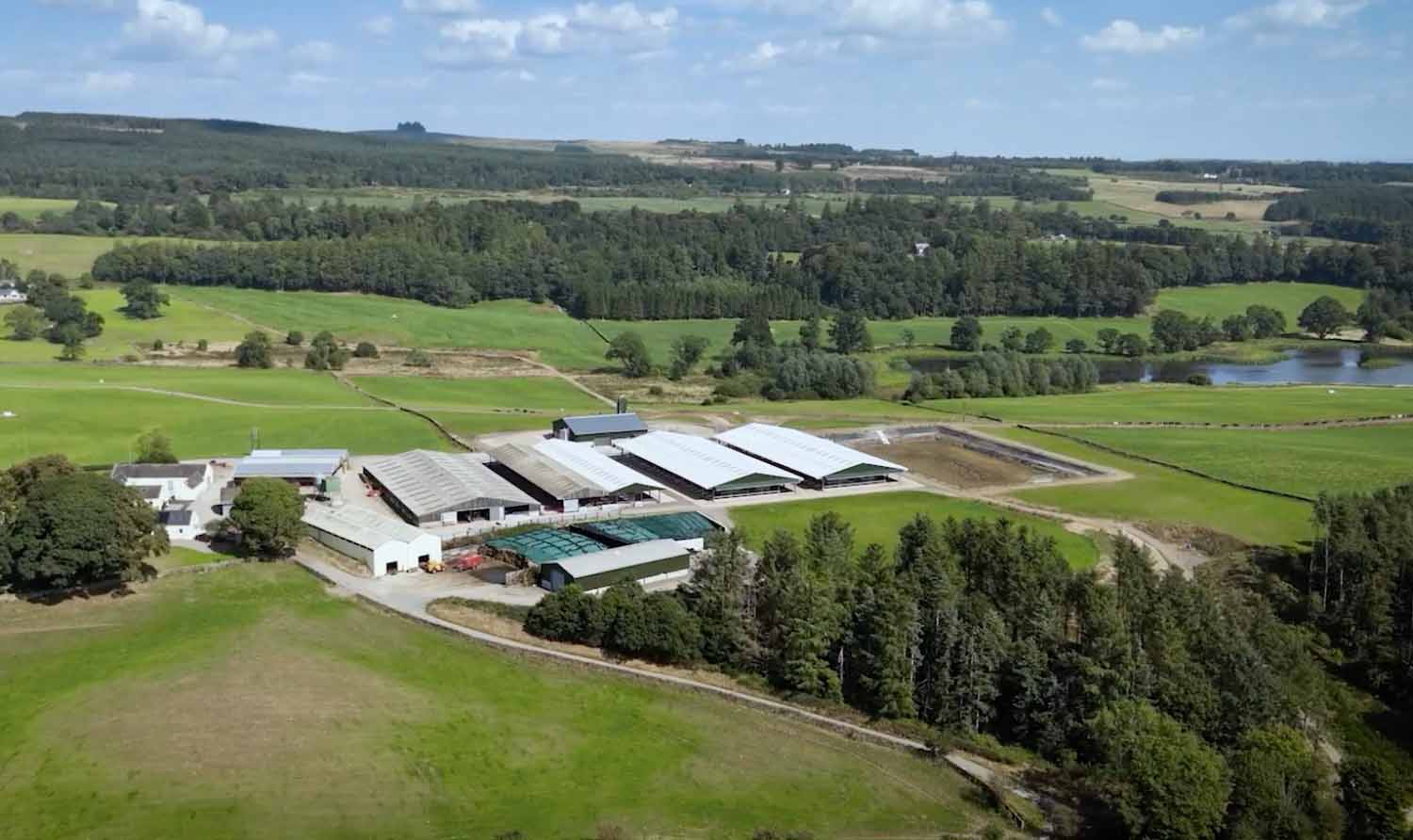
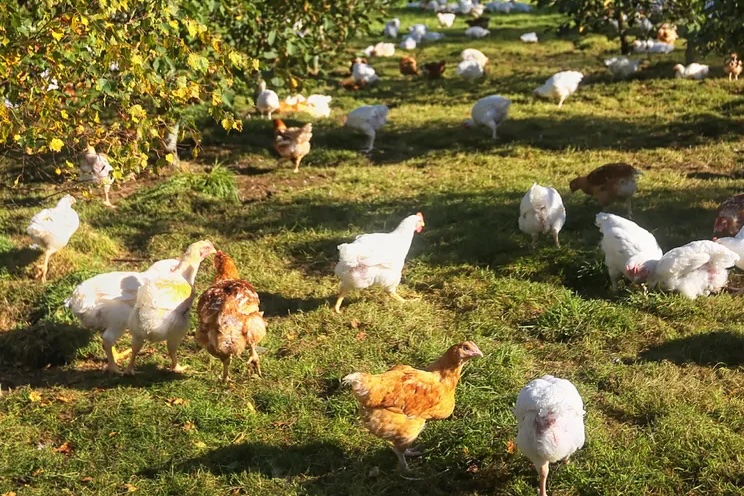
Pilgrim’s Europe has just completed a large-scale biodiversity monitoring trial in partnership with Chirrup.ai. The trial covered 40 farms, including 10 broiler farms in Lincolnshire and 30 pig farms in Norfolk. Chirrup’s acoustic devices were deployed for 21 days, capturing recordings of bird populations, which were then analysed using AI to identify species and assess biodiversity levels.
The findings give Pilgrim’s Europe something they didn’t have before: a clear, science-based baseline of biodiversity across their UK farming supply chain. To be noted: this is actual data from the ground, not an estimate or a proxy.
What will Pilgrim’s Europe do with that knowledge?
Pilgrim’s Europe is one of the UK’s largest food businesses. The data will inform future decisions on improving biodiversity across the whole company, including hedgerow management, grass cutting and tree planting.
Anna Ganiford, Sustainable Agriculture Manager at Pilgrim’s Europe, put it simply: “By trialling Chirrup.ai’s technology, we can start to listen to nature and make biodiversity something measurable, not just visible. What this trial has really given us is clarity […]. We now have a much better understanding of biodiversity across our farms and the role that everyday farm management plays in shaping that.”
And perhaps most importantly: “Our farmers are already doing a lot to support their land, and this gives us a way to better understand, measure and build on that work.” An essential part of Chirrup’s mission and biodiversity monitoring is about recognising what farmers are already doing, and building on it with data.
Biodiversity monitoring at scale, across poultry and pig farming
This trial is significant for two reasons. First, the scale. At 40 farms, this is one of the largest single biodiversity monitoring deployments Chirrup.ai has completed. Second, the sector. Biodiversity monitoring across poultry and pig supply chains is where Pilgrim’s Europe is helping to set new standards in the UK and Europe.
For food businesses facing increasing pressure to report on nature-related risks under the Kunming-Montreal Global Biodiversity Framework and European (CSRD) or local regulations, this is exactly the kind of practical, affordable, science-based approach that makes compliance achievable.
Read the full coverage in Poultry News, FarmingUK and Farmers Weekly
Interested in measuring biodiversity across your own supply chain? Get in touch.